

A Sweet Guide to Turkish Desserts You Need to Try in Istanbul
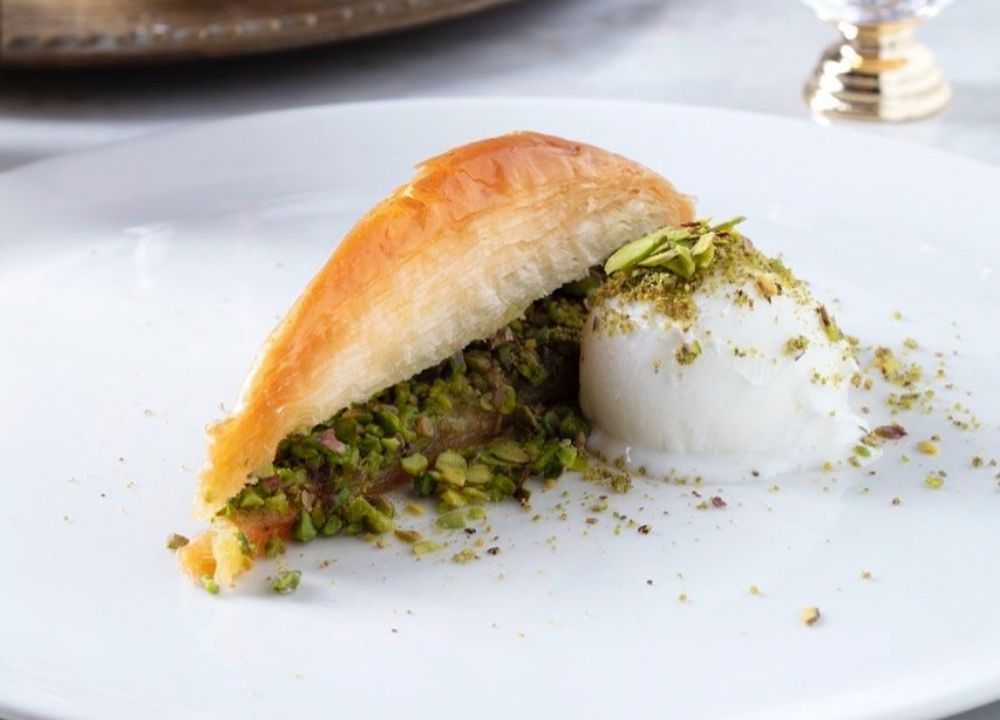
Turkish cuisine doesn't save its best surprises for the main course. Dessert here is its own tradition, built on centuries of Ottoman court kitchens, regional sugar and dairy trades, and a genuine cultural habit of ending a meal — or an afternoon — on something sweet. For visitors to Istanbul, understanding Turkish desserts is as much a part of experiencing the city as sightseeing itself, and the variety on offer goes well beyond the baklava most people already know by name.
Baklava: The Icon
No conversation about Turkish desserts starts anywhere else. Baklava is made of dozens of paper-thin layers of phyllo dough, brushed with butter, filled with chopped pistachios or walnuts, and soaked in a sugar or honey syrup once baked. What surprises many first-time visitors is how much variation exists between regions and even between individual pastry shops — some versions lean drier and nuttier, others richer and more syrup-heavy. Gaziantep-style baklava, made almost exclusively with pistachios, is generally considered the gold standard, and most quality Istanbul restaurants and pastry shops will specify if that's the style they're serving.
Künefe: Cheese Meets Sugar
Künefe is one of the desserts that tends to surprise visitors the most, simply because the combination sounds unlikely on paper: a layer of unsalted, stretchy cheese sandwiched between crispy shredded phyllo (kadayıf), baked until golden, then soaked in sweet syrup and often finished with crushed pistachios. It's served warm, ideally straight out of the pan, when the cheese is still soft and stretches with each bite. The contrast between the salty cheese and the sweet syrup is exactly what makes it work, and it's considered one of the more indulgent desserts on this list — best shared, or paired with a strong Turkish coffee to cut through the richness.
Lokum: Turkish Delight
Known internationally as "Turkish Delight," lokum has been produced in Istanbul since the Ottoman era, originally as a court confection before becoming widely available. It's a soft, gel-like candy made from starch and sugar, flavored with anything from rosewater and pomegranate to pistachio, hazelnut, or citrus, and often dusted with powdered sugar to keep the pieces from sticking together. Unlike most desserts on this list, lokum travels well, which is why it's one of the most common souvenirs visitors bring home from Istanbul's bazaars and confectionery shops.
Sütlaç: Turkish Rice Pudding
Sütlaç is the comfort-food entry on this list — a creamy rice pudding made with milk, sugar, and rice, often baked until the top forms a light caramelized layer. It's less sweet and lighter than most of the syrup-based desserts here, which makes it a common choice after a heavier meal. Some versions are flavored with a touch of vanilla or a dusting of cinnamon on top, and it's typically served chilled, making it a popular choice during the warmer months.
Aşure: Noah's Pudding
Aşure has more cultural weight behind it than almost any other Turkish dessert. Traditionally made during the Islamic month of Muharram, it's a thick pudding combining grains, legumes, dried fruits, and nuts — sometimes fifteen or more ingredients in a single bowl — tied to a story of Noah's Ark and the idea of using up whatever ingredients remain. While it's associated with a specific season, many bakeries and restaurants in Istanbul offer versions of it year-round for visitors curious to try it.
Where the Ingredients Come From
What ties most of these desserts together is a small set of ingredients repeated in different forms — honey, pistachios, rosewater, and especially pomegranate syrup, which shows up across both sweet and savory Turkish dishes. For anyone wanting a deeper look at the building blocks behind Turkish cuisine, our guide to the 10 most used ingredients in Turkish cuisine and our piece on pomegranate syrup in Turkish cuisine both cover ingredients that appear throughout this list. And if you're curious about what to drink alongside dessert, our article on boza, a taste from history is worth a read — it's one of Istanbul's oldest fermented drinks and a classic pairing with dessert in the colder months.
Final Thoughts
Turkish desserts aren't an afterthought to a meal — they carry as much history and regional identity as any main course. Whether it's a warm plate of künefe fresh from the pan or a small box of lokum picked up from a bazaar stall, tasting your way through this list is one of the more memorable ways to understand Istanbul's food culture beyond the usual restaurant menu.



